Wednesday, 4 November 2026

Electric Instant Hot Water and What Really Makes a System Efficient

Energy efficiency matters to Australian households, but homeowners often struggle to compare hot water systems because efficiency involves more than a single number. Electric instant hot water can offer a practical starting point because an instantaneous system heats water when someone needs it instead of keeping a storage tank hot around the clock. That operating principle can reduce unnecessary standby heating and makes particular sense for households where hot water demand changes throughout the day. However, choosing the right system still requires careful planning. Household size, simultaneous water use, temperature preferences, electrical capacity and installation location all affect performance. A smaller home with one bathroom will create very different demands from a large family property where people may run showers, kitchen taps and laundry equipment at similar times.

When homeowners search for the most efficient electric water heater, they should consider how the system uses energy during everyday operation. A unit that matches household demand can make more sense than an oversized system that adds capacity you rarely use. MicroHeat develops continuous-flow electric water heaters that heat water on demand and uses direct energy transfer technology rather than conventional heating elements. The company manufactures its water heating products in Australia and offers solutions for residential properties. Melbourne homeowners can discuss their requirements with a qualified professional before choosing a configuration, particularly when electrical supply or multiple hot water outlets affect the decision. Combining appropriate equipment with sensible household habits can also improve overall results. Shorter showers, efficient fixtures and mindful hot water use all contribute to lower household energy and water consumption.

Choosing electric instant hot water should therefore involve more than asking which model costs the least upfront. Think about how the household will use the system every day, how much room you have available and whether on-demand heating suits your lifestyle. A system that performs efficiently for a small apartment may not meet the demands of a busy multi-bathroom home, so professional advice matters. If you want to identify the most efficient electric water heater for your circumstances, speak with MicroHeat about your household usage, property layout and electrical requirements. Their Australian-made continuous-flow approach gives homeowners an option that focuses on heating water when required rather than storing hot water for later. Making an informed choice can help you balance comfort, convenience and energy use without compromising the hot water your household relies on every day.

Friday, 30 October 2026

Electric Hot Water System Solutions for Apartments and Compact Homes

Living in an apartment, townhouse or smaller home often means making every bit of available space work harder. Large appliances can quickly consume valuable storage or utility areas, which makes hot water equipment an important consideration during a renovation or replacement. A compact electric hot water system can offer an alternative to a bulky storage tank, particularly when homeowners want a cleaner and more flexible layout. Continuous-flow technology focuses on heating water as people use it, so the system does not need a large tank that stores hot water throughout the day. For Melbourne apartments and compact homes, that can create opportunities to use limited space more effectively while still supporting everyday activities such as showering, washing dishes and cleaning.

An on demand hot water heater can suit smaller properties because it responds when someone turns on the hot tap rather than constantly maintaining stored hot water. MicroHeat develops Australian-made instantaneous electric systems for residential applications, including compact solutions that use continuous-flow technology. However, compact size alone should never drive the decision. Homeowners still need to consider electrical capacity, water flow, desired temperature and peak household demand. A couple living in a one-bathroom apartment will have different needs from a family living in a townhouse with several bathrooms. Asking a qualified plumber and electrician to assess the property can help you select the right configuration and avoid problems when multiple outlets operate at the same time.

A modern electric hot water system can also support homeowners who want to simplify their property and move away from older storage technology. If you plan to renovate a laundry, reclaim cupboard space or update an apartment before moving in, consider the hot water system early in the project. An on demand hot water heater may give you greater freedom around layout while providing continuous hot water when your household needs it. MicroHeat offers Australian-made continuous-flow electric solutions and can help homeowners understand which option matches their usage and property requirements. Rather than automatically replacing an old tank with another tank, take the opportunity to explore how newer technology could suit the way you live today. Contact MicroHeat to discuss your property and find a practical hot water solution that supports comfort without unnecessarily giving up valuable space.

Friday, 16 October 2026

Water Heaters Melbourne Homes Can Use to Reduce Everyday Energy Waste

Hot water contributes to daily household energy use, so the system you choose can influence both comfort and ongoing running costs. When comparing water heaters Melbourne homeowners should first consider how their household actually consumes hot water. Do several people shower within the same hour? Does the property sit empty for most of the working day? Do you regularly run hot water in the kitchen while someone uses the bathroom? These questions help identify whether a traditional storage approach still makes sense. Storage systems maintain heated water for later use, while instantaneous systems focus on heating water when someone opens a tap. For homes with changing demand throughout the day, that distinction can play an important role in choosing a more practical setup.

An energy efficient water heater should match the property's requirements rather than simply offering the largest possible capacity. MicroHeat develops Australian-made electric continuous-flow systems that heat water on demand, which removes the need to continuously maintain a tank of heated water. Its technology directly transfers energy into the water and provides another option for Melbourne homeowners who want to move away from conventional storage heating. A compact system can also help when homeowners need more flexibility around installation space, especially in apartments, townhouses or renovated properties. Before making a choice, ask a qualified plumber and electrician to review your electrical supply, water demand and preferred installation location. The right assessment can help you avoid choosing a system that struggles during peak demand or provides more capacity than your household needs.

The search for water heaters Melbourne homeowners can rely on should also include practical questions about everyday behaviour. Even an efficient system works best when a household uses hot water sensibly. Low-flow showerheads, shorter showers and sensible temperature settings can help reduce unnecessary water and energy consumption. When you combine these habits with an energy efficient water heater, you create a more considered approach to household hot water. MicroHeat provides instantaneous electric options for homeowners who want continuous hot water without relying on a storage tank. If your current system takes up too much room, no longer meets your needs or keeps heating water while nobody uses it, now may be a good time to explore another approach. Speak with MicroHeat about your Melbourne property and find a solution that matches your household rather than settling for a one-size-fits-all replacement.

Monday, 12 October 2026

Water Heaters Melbourne Buyers Can Source from an Australian Manufacturer

Choosing a new hot water system involves more than comparing capacity and purchase price. Homeowners also increasingly consider where manufacturers develop their products, how the technology works and whether the system fits Australian household requirements. When researching water heaters Melbourne homeowners can start by examining their current system and identifying what they want to improve. Perhaps the storage tank occupies too much room, hot water takes too long to reach key areas or the household wants to reduce unnecessary standby heating. Understanding these priorities makes product comparisons much easier. It also helps you avoid paying for a system that looks impressive on paper but fails to match the way your household actually uses hot water.

For buyers who value local development, made in Australia home water heaters can offer another important consideration. MicroHeat operates in Victoria and manufactures Australian-made instantaneous electric water heating solutions. Its technology uses continuous-flow operation and heats water as demand occurs rather than storing a large tank of hot water. The company offers residential systems for homeowners who want an alternative to traditional storage heating. Local buyers should still assess their property carefully before choosing a system. Electrical supply, household size, water-flow requirements and simultaneous use all affect which configuration will suit the home. A qualified plumber and electrician can evaluate these factors and help homeowners understand what their property requires before installation.

The best water heaters Melbourne households can choose should make everyday life easier while fitting naturally into the property. Whether you live in an apartment, townhouse or family home, focus on your actual hot water habits and long-term plans. A household planning another bathroom may need greater capacity in future, while people downsizing may prefer a compact system that frees up valuable space. If made in Australia home water heaters sit high on your priority list, MicroHeat provides a locally manufactured option built around instantaneous electric water heating. Speak with the MicroHeat team about your household needs and explore how continuous-flow technology could fit your property. Instead of automatically replacing your existing system with another storage tank, use the opportunity to compare modern alternatives and choose a hot water solution that reflects the way Australians live, renovate and use energy today.

Tuesday, 6 October 2026

Water Heaters Melbourne Renovators Should Consider Before Finalising Their Plans

A renovation gives you the perfect opportunity to rethink appliances and services that may have remained unchanged for years. Kitchens, bathrooms and laundries often receive most of the attention, yet your hot water system can influence how comfortably these spaces work every day. When researching water heaters Melbourne renovators should consider their future household needs rather than simply reconnecting the existing unit. You may add another bathroom, move the laundry, create a larger kitchen or redesign an apartment to make better use of limited space. Each of these changes can affect hot water demand and system placement. Planning early allows your plumber and electrician to consider water lines, electrical requirements and installation location before new cabinetry, fixtures and finishes make changes more complicated.

Choosing an energy efficient water heater during a renovation can also help you create a home that uses energy more thoughtfully. Continuous-flow electric systems heat water when household members need it instead of maintaining a storage tank at temperature throughout the day. MicroHeat manufactures Australian-made instantaneous water heaters and develops solutions for residential properties. Its compact continuous-flow approach can appeal to renovators who want to reclaim space that a traditional tank may otherwise occupy. Rather than viewing the hot water system as an afterthought, include it in the early design conversation. Consider how many bathrooms your renovated home will have, how many people will live there and whether several hot water outlets may operate at once. These details help professionals recommend a system that matches both your electrical setup and your expected demand.

People comparing water heaters Melbourne properties can use after renovation should also think beyond immediate installation costs. The system will support showers, cleaning, cooking and everyday household routines for years, so choose technology that fits your lifestyle and property. An energy efficient water heater can work alongside other smart renovation choices such as efficient taps, showerheads and sensible water-use habits. MicroHeat gives homeowners an Australian-made continuous-flow option when they want to reconsider conventional storage heating. If you plan a renovation or major home upgrade, discuss hot water requirements before the building work reaches its final stages. The MicroHeat team can help you explore suitable options and understand how instantaneous electric water heating could fit into your plans. Making the decision early can give you a cleaner installation, better use of available space and a hot water setup that complements the home you are creating.

Thursday, 1 October 2026

Smarter Hot Water at Home: Guide to Modern Electric Hot Water System

Hot water is a critical component of life and is necessary for showering, washing, cleaning and cooking. For this reason, many people choose modern electric hot water system that provide functional solutions instead of storage of hot water. These systems can be used for each individual outlet or arrayed for supply of hot water throughout a house or dwelling.

An electric bathroom hot water heater generates hot water when it is needed, and does not keep a large volume of hot water stored. This can help to save on standby energy consumption and help keep power on when matched to household flow needs. Depending on the power and flow requirements, it is crucial to choose the appropriate model for the system.

Understanding The Varieties of Types of Tankless Water Heaters

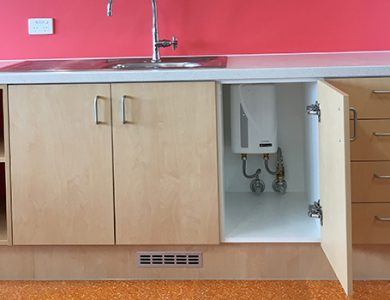
Point-of-use electric heaters are small devices installed near the point of hot water use, like a sink, shower or basin. Hot water flows to the tap in a shorter time, and the amount of water wasted is reduced and they are compact enough to fit in areas like under kitchen or bathroom sinks.

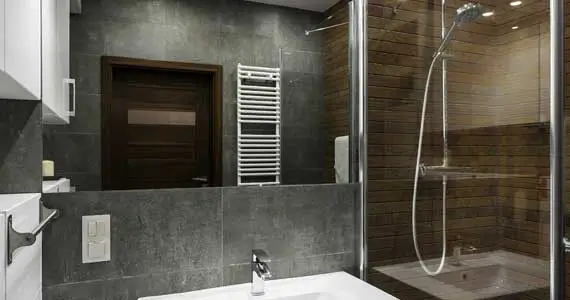
A hot water heater in the bathroom may be beneficial at the point where hot water is needed at a specific basin, shower or other fixture. Flow rate, outlet requirements and available electrical capacity will determine the appropriate unit. Compact instantaneous systems are often very useful in bathrooms where space is at a premium.

Hot water can be supplied to a number of locations throughout the house with whole-house systems. Depending on the home's layout and use, either a centralised or point-of-use configuration might be considered. A professional assessment will help determine the capacity and if one system or more would be better for the property.

Installation should be done by suitably qualified persons to ensure electrical and plumbing connections are made to the appropriate standards. The performance is affected by system sizing, water temperatures, water flow, household demand, etc. Contact the leading companies offering a range of electric heaters of different capacities and get a price quote for the product and installation.

Monday, 21 September 2026

Water Heating Appliances: A Guide to Efficient and Instant Hot Water

Australia's especially severe winters necessitate water heating appliances, and the finest water heater supplier delivers the best technology for quick water heating. Traditional water heaters utilised a tank to hold water before heating it for use; therefore, they consumed relatively less electrical energy than modern tankless heaters, which heat water quickly. Because tankless water heaters use electrodes instead of traditional heating elements, they are more energy-efficient than older models. Thanks to modern water heaters that can be properly controlled, hot water may be enjoyed even in hard water circumstances, such as during harsher winters.

Understanding the Technology of Tankless Water Heaters

The best bathroom water heaters for apartments include a high-efficiency electric compact water heater since they are tankless, take advantage of the water's natural capacity to transfer heat, and provide almost instant heating. The best tankless water heaters feature digital control systems to reduce scale buildup and provide temperature control so customers may enjoy water at the ideal temperature. The best tankless water heater has the most sophisticated, modern microprocessor that can swiftly execute many lines of code to ensure that the water is heated to the right temperature.

Because they are smaller and need less energy than traditional water heaters, these tankless water heaters can quickly supply hot water to kitchen and bathroom sinks. When hot water is required, they are appropriate for point-of-use applications. It is possible to change the water's temperature from 20 to 50 degrees Celsius. They are ideal for places like residences, workplaces, and lodging facilities that need quick access to hot water. Many heater models incorporate digital temperature controls that enable precise water temperature changes to enhance user comfort and safety.

Water heaters are an excellent way to keep the water at the proper temperature throughout the winter so that everyday tasks may be completed with ease. Make contact with the top businesses that offer a variety of electric water heaters for use in bathrooms and kitchens.