Tuesday, 28 October 2025

Common Installation Challenges for a Continuous Hot Water System in Apartment Units

Installing a continuous hot water system in apartment living offers significant benefits such as unlimited hot water, compact design, and improved energy efficiency. However, apartment settings often present unique challenges that make installation more complex compared to standalone homes. From space restrictions to regulatory compliance, understanding these issues in advance can help property owners, tenants, and plumbers avoid delays and costly mistakes.
  1. Limited Space and Access

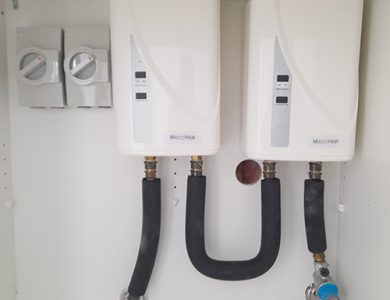
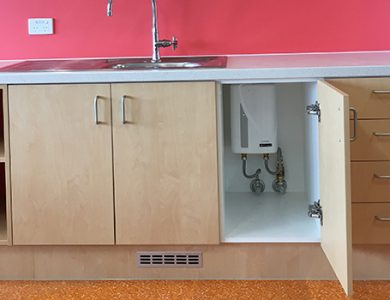
One of the most common challenges in apartment installations is the limited space available for units and pipework. Water heater manufacturer makes the continuous hot water systems typically compact, but apartments may lack suitable mounting areas or clearances required for safe installation. Access to utility cupboards, balconies, or service shafts can also be difficult, requiring careful planning.

  1. Ventilation and Flue Requirements

Gas continuous flow systems require proper ventilation and flueing to safely expel combustion gases. In high-rise buildings, installing or extending flue systems can be complicated due to shared walls and strict fire safety codes. Failure to comply with ventilation requirements can compromise safety and void warranties.

  1. Plumbing and Piping Restrictions

Apartments often share plumbing infrastructure, which may limit pipe sizing, water pressure, or drainage options. Retrofitting a continuous hot water system might require upgrades to existing pipes or additional pressure regulators. Older buildings, in particular, may not support the higher flow demands without modifications.

  1. Electrical and Gas Requirements

Continuous hot water systems, whether gas or electric, require reliable connections. Installing new gas lines or electrical circuits in apartments can be restricted by building management or strata regulations. Licensed trades are needed to ensure compliance with Australian safety standards and avoid disruption to neighbouring units.

  1. Regulatory and Strata Approval

Unlike detached homes, apartments often fall under strata or body corporate rules. Any change to external walls, ventilation points, or shared service areas typically requires formal approval. Delays in permissions can extend project timelines and increase installation costs.

By working with licensed installers familiar with apartment setups, residents can enjoy reliable, efficient hot water without compromising safety or building compliance.


Monday, 13 October 2025

Why Energy Efficiency Matters When Selecting the Best Hot Water System for Apartment

Hot water systems are an essential part of modern living, providing comfort and convenience for daily routines such as showering, cooking, and cleaning. For apartment dwellers, choosing the best hot water system for apartment is even more important due to limited space, higher energy demands, and the need to keep utility costs under control. One of the key factors to consider when making this choice is energy efficiency.

Many buyers turn to trusted hot water heater dealers for guidance, as they offer a variety of system options designed to meet different needs. Dealers often recommend energy-efficient solutions because they not only reduce electricity or gas bills but also align with sustainability goals. For apartment living, where shared facilities and compact living spaces are common, efficient systems ensure maximum performance without excessive energy consumption.

  1. Lower Utility Bills

Energy-efficient hot water systems use less energy to heat the same amount of water. Over time, this translates into significant savings on electricity or gas bills. For apartments, where households often share utilities or operate on tight budgets, this financial benefit is a major advantage.

  1. Compact and Space-Saving Designs

Apartments often lack the space for large water tanks. Energy-efficient systems, such as tankless or continuous-flow models, are compact and wall-mounted, making them ideal for smaller homes. This ensures convenience without compromising available living space.

  1. Sustainability and Reduced Carbon Footprint

With growing awareness about environmental responsibility, energy-efficient hot water systems help reduce greenhouse gas emissions. Choosing eco-friendly appliances allows apartment residents to contribute positively to broader sustainability efforts.

  1. Consistent Performance

Efficient hot water systems are designed to deliver a steady flow of hot water without unnecessary heat loss. This means that even during peak usage times, apartments can enjoy consistent water temperature without fluctuations.

When selecting the best hot water system for an apartment, energy efficiency should be a top priority. By consulting experienced hot water heater dealers, apartment owners and residents can find systems that deliver reliable performance, reduce energy bills, and promote sustainable living.

Monday, 6 October 2025

Make Water Heating Efficient with Efficient Tankless Water Heater in Australia

Due to the harsh winters in Australia, where temperatures may drop dramatically and warm water is required for a number of purposes, a bathroom water heater in Australia is essential. The older water heaters required a water storage tank and a lot of space to store the water. These days, water heaters that heat water using electrodes may do it instantly and don't need to be stored. This is achieved by using electrodes to heat the water instantly, taking advantage of the water's electrical conductivity.

Instantaneous high efficiency water heater technology saves a lot of space, and the most common electric quick water heater is found in bathrooms and kitchens. Tankless water heaters are not only safer and more trustworthy, but they also consume significantly less electricity. These heaters also don't have problems with burnout or scaling. They are also economical because of the significant decrease in maintenance. Whole-house systems can also be built; they differ from previous versions in that they link to all of the water systems in the house, allowing hot water to flow from every outlet.

Underfloor hydronic floor heating is a cost-effective method of keeping the house warm throughout the winter. Underfloor hydronic floor heating uses a network of pipes buried beneath the floor surface to circulate warm water. The pipes allow the heat to be dispersed uniformly throughout the space, in contrast to traditional heating systems that employ forced air. It is compatible with a variety of flooring materials, including tile, stone, and engineered wood.

Installing water heaters where they are required is essential these days, and they should be both functional and space-efficient so that one receives hot water during cold winter months. Contact the leading supplier of tankless instant water heaters for residential, commercial, and a number of other unique uses by sending them an email or giving them a call.

Friday, 3 October 2025

Why Modern Tankless Water Heaters in Victoria Are Replacing Traditional Tank Systems?

Traditional water heaters in Victoria may take up a lot of space inside the house since they require a tank to hold water. A storage tank is required since water cannot be heated instantaneously, which actually results in increased energy use. In contrast, contemporary water heaters from some leading brands are made to heat water instantaneously, doing away with the necessity for water storage tanks. Compared to water heaters that require tanks for water storage, instantaneous heating technology eliminates the need for storage space and has lower operating costs since it uses less power.

Well-known companies specialise in producing electric tankless and instantaneous bathroom compact water heater for both residential and commercial use. Instead of employing heating elements, tankless water heaters use electrodes, a state-of-the-art technology. By doing this, the standby energy losses associated with traditional tank systems are eliminated. Prominent producers of tankless water heaters also incorporate safety measures into their products, making them a sensible and environmentally responsible choice for households and businesses.

The Most Incredible Features of Single and Three-Phase Tankless Heaters

Single-phase heaters are ideal for home environments as they can generate up to 9kW of power. Single-phase heaters are connected to a typical single-phase electrical source. Three-phase tankless water heaters are more robust and can generate up to 18kW of power since they use three-phase power, which makes them perfect for large homes or commercial settings. For continuous hot water delivery and high-demand scenarios, three-phase heaters are required. These heaters are perfect for use in hotels, restaurants, and industrial environments.

In order to comfortably perform everyday tasks during the chilly winter months, hot water is crucial, necessitating the use of appropriate and secure equipment. For more details about the tankless modern heater and its technical specifications, send an email to the leading suppliers, and you can also call them for installation services or to make an enquiry.