Installing a continuous hot water system in apartment living offers significant benefits such as unlimited hot water, compact design, and improved energy efficiency. However, apartment settings often present unique challenges that make installation more complex compared to standalone homes. From space restrictions to regulatory compliance, understanding these issues in advance can help property owners, tenants, and plumbers avoid delays and costly mistakes.
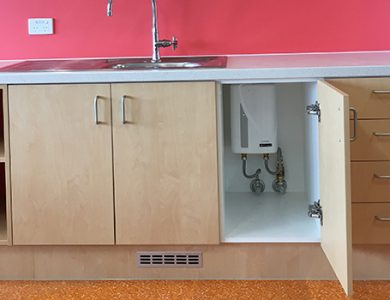
- Limited Space and Access
One of the most common challenges in apartment installations is the limited space available for units and pipework. Water heater manufacturer makes the continuous hot water systems typically compact, but apartments may lack suitable mounting areas or clearances required for safe installation. Access to utility cupboards, balconies, or service shafts can also be difficult, requiring careful planning.
- Ventilation and Flue Requirements
Gas continuous flow systems require proper ventilation and flueing to safely expel combustion gases. In high-rise buildings, installing or extending flue systems can be complicated due to shared walls and strict fire safety codes. Failure to comply with ventilation requirements can compromise safety and void warranties.
- Plumbing and Piping Restrictions
Apartments often share plumbing infrastructure, which may limit pipe sizing, water pressure, or drainage options. Retrofitting a continuous hot water system might require upgrades to existing pipes or additional pressure regulators. Older buildings, in particular, may not support the higher flow demands without modifications.
- Electrical and Gas Requirements
Continuous hot water systems, whether gas or electric, require reliable connections. Installing new gas lines or electrical circuits in apartments can be restricted by building management or strata regulations. Licensed trades are needed to ensure compliance with Australian safety standards and avoid disruption to neighbouring units.
- Regulatory and Strata Approval
Unlike detached homes, apartments often fall under strata or body corporate rules. Any change to external walls, ventilation points, or shared service areas typically requires formal approval. Delays in permissions can extend project timelines and increase installation costs.
By working with licensed installers familiar with apartment setups, residents can enjoy reliable, efficient hot water without compromising safety or building compliance.

No comments:
Post a Comment